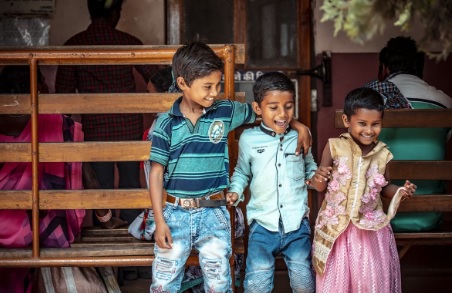
Indian sport has always celebrated its heroes loudly. Virat Kohli’s centuries, MS Dhoni’s ice-cold finishes, and PV Sindhu’s Olympic medals are etched into the national memory. Yet, standing quietly in the background of each iconic journey is a sibling — someone who grew up in the same household, shared the same dreams, and often sacrificed their own spotlight so their brother or sister could shine. These are the people the cameras rarely find, and the headlines almost never mention.
Away from press conferences and training grounds, athletes and their families also carve out ordinary moments of rest and play. Between tournaments and away tours, many sports families bond over shared meals, travel, and digital entertainment — casual activities that anchor them to normalcy.
Mobile gaming, for instance, has become a popular way to unwind across generations, and instant casino games like the tower rush app have found their way into everyday leisure routines for many people looking for quick, engaging entertainment on the go. It is that blend of ambition and ordinary life that makes the stories of siblings so compelling — they lived the journey from the inside, without ever seeking recognition for it.
Vikas Kohli: The Brother Who Stepped Up
When Virat Kohli lost his father to a stroke in December 2006, he was barely eighteen and playing a Ranji Trophy match in Delhi. In the years that followed, his elder brother Vikas Kohli quietly became the pillar the family leaned on. Born on June 3, 1981, Vikas grew up playing cricket alongside Virat and even accompanied him to the cricket academy in their early years in Delhi.
However, he stepped away from the sport and directed his energy into business instead, recognising where his own strengths truly lay. Today, Vikas manages key ventures under the One8 brand — including the upscale restaurant and bar chain One8 Commune, which operates across multiple cities — and handles significant business responsibilities on Virat’s behalf.
In a widely noted move, Virat transferred the power of attorney for his Gurugram property to Vikas ahead of a tour to Australia, a gesture that spoke volumes about the trust between them. Active on Instagram with over 250,000 followers, Vikas keeps a relatively high profile, yet the narrative around him remains firmly tied to his role as a supportive elder brother rather than a celebrity in his own right.
Jayanti Gupta: The Sister Who Believed First
MS Dhoni is the youngest of three siblings. His elder sister Jayanti Gupta — four years his senior — holds a place in his story that his own biopic made sure to honour. Unlike his elder brother Narendra, who had moved out of Ranchi by the time Dhoni picked up the bat seriously, Jayanti was present throughout his formative years. She supported his cricket ambitions consistently, at a time when many around him were uncertain about his path.
Dhoni’s decision to pursue cricket over a conventional career was not an easy one to champion, and Jayanti’s belief in him during those uncertain early days carried real weight. She later married businessman Gautam Gupta and built a quiet professional life of her own as an English teacher. Her influence on Dhoni’s character and confidence was significant enough that when his life story was adapted for the screen, she was the only sibling the filmmakers chose to depict — a recognition that spoke to how central she had been from the beginning.
Narendra Singh Dhoni, the eldest sibling, chose a different path altogether, moving into politics and associating himself with the Samajwadi Party since 2013, though he has long maintained a deliberately low public profile and acknowledged that his contributions to Dhoni’s career were limited.
The Quiet Architecture of Sporting Greatness

The siblings of India’s greatest athletes rarely sought fame. Vikas Kohli built a business empire in the background. Jayanti Gupta offered belief before anyone else could see what Dhoni would become. Each of them shaped a champion in ways that go unrecorded — through stability, sacrifice, and the kind of unconditional support that only family can offer. Their stories deserve to be told not as footnotes but as chapters in their own right.