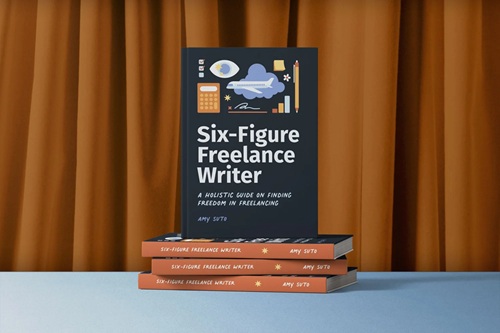
If you’ve been dreaming of launching your book into the world, self publishing on Amazon is easily one of the most accessible and profitable ways to do it today. Whether you’re writing fiction, nonfiction, poetry, or even a journal, Amazon’s Kindle Direct Publishing (KDP) makes it possible to publish quickly, earn globally, and—most importantly—maintain full creative control. In this blog, I’ll walk you through everything you need to know, using the same clear, structured style you prefer: simple language, natural flow, and practical insights you can actually use.
Why Self Publishing on Amazon Has Become a Game-Changer
Traditional publishing used to be the only way to get your book in readers’ hands, but the landscape has changed completely. Amazon KDP opened the doors for writers who want speed, independence, and flexibility. You don’t need a literary agent, you don’t need to print thousands of copies upfront, and you don’t need to wait years for approval. You write, upload, publish, and your book becomes available across Amazon’s marketplaces worldwide.
But what makes Amazon’s platform so appealing is the blend of simplicity and opportunity. You control your book’s pricing, edits, cover design, and, most importantly, your royalties. This level of autonomy is something traditional publishing rarely offers.
Understanding How Amazon KDP Works
Amazon KDP works on a print-on-demand model, meaning books are only printed when someone orders them. This eliminates inventory costs and distribution headaches. You can publish in Kindle (ebook) format, paperback, or hardcover. You can even expand into audiobooks later through ACX, Amazon’s audiobook platform.
Most authors start with a Kindle version because it’s quick to create and offers strong royalty options. Once your ebook is live, you can publish a paperback using the same manuscript with a few formatting adjustments.
Choosing the Right Niche and Audience
Before you write—or publish—you need clarity on your niche. Amazon is a massive marketplace, which means competition exists, but so does opportunity. Understanding what readers want is the starting point of a successful self-publishing journey.
Instead of chasing broad genres like “romance” or “business,” go deeper. Maybe it’s “second chance romance” or “productivity for freelancers.” The narrower and clearer your target, the better your chances of visibility on Amazon’s search algorithm.
Amazon’s categories, subcategories, and keyword tools give you insights into what readers regularly search for, what books are performing well, and where there might be gaps you can fill.
Writing a Book That Stands Out
Your manuscript is the foundation of your success. Good writing still matters—especially when readers can return a book within days if they feel disappointed. Focus on delivering real value, clarity, and a tone that matches your genre.
Fiction writers need strong pacing, relatable characters, and emotional pull.
Non-fiction writers need structure, expertise, and actionable insights.
What matters most is reader satisfaction. On Amazon, reviews can build or break your book. A well-written manuscript naturally earns more positive feedback.
Formatting Your Book for Kindle and Print
Once the writing is complete, the next important step is formatting. Kindle books use formats like EPUB or reflowable text so they adjust to different devices. For paperbacks, the formatting needs to be precise with consistent margins, proper spacing, and page numbers.
You can use tools like:
- Kindle Create (Amazon’s free formatting tool)
- Microsoft Word (with correct templates)
- Professionally designed templates available online
Clean formatting not only improves reader experience but also boosts your professional appeal as an author.
Designing a Cover That SELLS
Readers absolutely judge books by their covers—especially on Amazon where browsing happens visually. Your cover needs to be crisp, genre-appropriate, and eye-catching even when displayed as a small thumbnail.
For fiction, covers should evoke emotion and match common genre aesthetics.
For nonfiction, simplicity, clarity, and strong typography work best.
If you’re not confident designing on your own, investing in a professional cover designer is worth it. Amazon even offers a built-in Cover Creator tool for beginners.
Uploading Your Book on KDP
Uploading your book is simple once everything is ready:
- Create a KDP account
- Start a new Kindle or paperback project
- Enter your book details: title, subtitle, description, keywords, and categories
- Upload your manuscript
- Upload your cover
- Preview the book
- Set pricing and royalty preferences
- Publish
Within 72 hours, your book becomes available on Amazon marketplaces worldwide.
Setting the Right Price
Pricing impacts your book’s visibility, earnings, and perceived value. Amazon gives two royalty options for ebooks: 35 percent or 70 percent. Most authors choose the 70 percent plan, which is available for books priced between $2.99 and $9.99.
For paperbacks, your royalty depends on printing costs. Higher page counts cost more, so keep your formatting clean and efficient.
A smart pricing strategy for new authors includes:
- Launching slightly lower to attract early readers
- Gradually increasing once reviews start coming in
- Running limited-time promotions to boost ranking
Writing a Compelling Book Description
Your description is your sales pitch. A strong description increases conversions and strengthens ranking. Keep it reader-focused. Start with a hook that grabs attention, describe what the book offers, and close with a clear reason why someone should buy it.
Short paragraphs work best on Amazon because readers skim quickly.
Understanding Amazon’s Algorithm and Ranking
Amazon’s algorithm rewards books that perform well early. A combination of sales, reviews, and page reads (for Kindle Unlimited authors) influence your book’s ranking. The more visibility your book gains, the more Amazon organically recommends it.
Early momentum is crucial. Many authors plan a small launch strategy:
- Gather early reviews from a small launch team
- Promote on social media or within niche communities
- Run Amazon ads
Even a few consistent sales daily can push a book into Amazon’s top categories.
Promoting Your Book After Publishing
Publishing isn’t enough—you need to promote. But promotion doesn’t mean spamming links everywhere. Focus on authentic engagement, niche communities, and content marketing built around your book’s topic.
A few promotion channels include:
- Author website or blog
- Email newsletter
- Instagram, TikTok, or Pinterest
- Goodreads
- Amazon ads
Steady, long-term promotion builds your author brand and drives ongoing sales.
Tracking Your Sales and Growth
Amazon KDP has one of the cleanest dashboards for monitoring your progress. You can track units sold, Kindle page reads, royalties, and marketplace performance. This data helps you understand which formats perform best, what pricing works, and where your readers come from.
Over time, you’ll notice patterns that can guide your next book or marketing strategy.
Why Self Publishing on Amazon Is More Than Just a Platform
Self publishing on Amazon is a gateway to creative freedom. You decide your pace, your brand, your stories, and how deeply you want to scale your author career. Many independent authors today make full-time income from Amazon alone, while others use it to build authority in their field.
What makes the journey impactful is that your work reaches readers worldwide without needing a publisher’s approval. It’s a powerful way for new writers to step into the world of authorship with zero barriers and unlimited potential.
Final Thoughts
If you’re serious about becoming an author, Amazon KDP is one of the best places to start. The process is simple, the reach is global, and the opportunities are genuinely limitless. With thoughtful writing, good presentation, and consistent promotion, your book can become a long-term asset that earns royalties for years.